When Sleeve Applicator Becomes the Bottleneck in Production Lines
In modern packaging operations, production efficiency depends on the seamless coordination of multiple automated systems. Filling, sealing, conveying, and labeling processes are designed to work in synchronization to maintain a continuous workflow. However, when one component fails to match the speed or stability of the overall line, it can become a bottleneck that limits total production output. In many packaging facilities, the sleeve applicator is one of the key points where this imbalance can occur.
Understanding Bottlenecks in Automated Packaging Lines
A production bottleneck occurs when one stage of the manufacturing process operates slower than the others, restricting the overall flow of goods. Even if upstream and downstream equipment are capable of higher speeds, the entire system is constrained by the slowest segment.
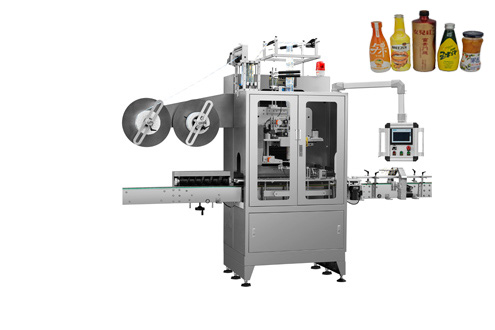
In packaging lines that use shrink sleeve labeling, the sleeve applicator plays a critical role in placing labels accurately before the shrinking stage. If this step is inconsistent or slow, it directly affects the efficiency of the entire production line.
How Sleeve Applicator Limitations Affect Workflow
When a sleeve applicator cannot keep pace with production demand, several operational issues may emerge. These can include uneven label placement, intermittent stopping of the conveyor system, or reduced synchronization with downstream processes such as shrink tunnels.
Over time, these inefficiencies accumulate and result in lower overall throughput. Even small delays at the application stage can significantly impact large-scale production schedules, especially in high-volume manufacturing environments.
Speed Mismatch Between Equipment Stages
One of the most common causes of bottlenecks is speed mismatch between different components of the packaging line. If the sleeve applicator operates at a slower cycle rate than filling or conveying systems, the entire line must reduce its speed to maintain stability.
This imbalance not only reduces production efficiency but can also lead to unnecessary wear on other equipment due to frequent start-stop cycles. Maintaining balanced speed across all systems is essential for smooth and continuous operation.
The Impact of Misalignment and Rework
Another factor that contributes to bottlenecks is inaccurate sleeve placement. If labels are not applied correctly, downstream processes may require additional inspection or correction, slowing down the overall workflow.
Misalignment issues often lead to increased rework or product rejection, which further reduces production efficiency. In high-demand environments, even minor labeling errors can have a significant cumulative impact.
Material Handling Challenges in Sleeve Application
Flexible sleeve materials require precise handling during application. If the feeding or positioning system is not properly optimized, sleeves may shift or deform before reaching the shrink stage.
These material handling challenges can interrupt smooth production flow and create inconsistencies that require manual intervention. Any additional manual adjustment introduces delays that contribute to bottlenecks in automated systems.
Integration with Downstream Shrinking Processes
The sleeve applicator must operate in coordination with shrink tunnel systems to ensure proper label formation. If timing between application and shrinking is not synchronized, production flow can become unstable.
Poor integration between these stages can force operators to slow down the entire line to avoid product defects. This reduces efficiency and prevents the system from operating at its intended capacity.
Maintaining Balanced Line Performance
Preventing bottlenecks requires a balanced approach to equipment selection and system configuration. All components in the packaging line must be capable of operating at compatible speeds and maintaining consistent performance under continuous operation.
Regular system evaluation helps identify weak points where inefficiencies may develop. Addressing these issues early ensures smoother production flow and higher overall output.
Improving Throughput Through System Optimization
To reduce the risk of bottlenecks, manufacturers often focus on optimizing the coordination between sleeve applicators and other packaging equipment. This includes improving synchronization timing, enhancing material feeding accuracy, and ensuring stable operational conditions.
By refining these factors, production lines can achieve higher throughput without compromising label quality or packaging consistency.
 ∷
∷