Application of Sleeve Labeling Machine for Dairy Bottles
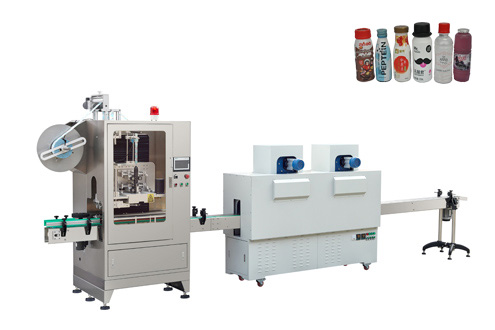
The sleeve labeling machine for dairy bottles has become an indispensable asset for dairy processors aiming to elevate their product presentation and meet stringent safety standards. In the highly competitive dairy market, brands rely on full-body shrink sleeves to showcase vibrant graphics, nutritional facts, and brand storytelling on a variety of containers. This specialized equipment ensures precise application of labels on glass, plastic, and carton bottles, creating a seamless 360-degree finish that captures consumer attention on refrigerated shelves.
One of the key advantages of this labeling technology is its exceptional adaptability to diverse dairy packaging formats. Dairy products range from small yogurt cups to large milk jugs, often featuring unique contours, handles, or tapered necks. Shrink sleeve technology conforms perfectly to these complex shapes, providing a smooth, wrinkle-free finish that enhances the overall aesthetic. This versatility allows dairy manufacturers to maintain a consistent brand identity across their entire product portfolio, from flavored milks to premium yogurts and plant-based alternatives.
Product safety and shelf life are critical considerations in the dairy industry, and sleeve labeling machines address both effectively. The shrink sleeve acts as a tamper-evident seal, providing consumers with visible assurance that the product has not been compromised. Additionally, the full coverage of the sleeve helps protect the dairy product from light exposure, which can degrade flavor and nutritional quality. This protective barrier is especially important for preserving the freshness and integrity of sensitive dairy products, ensuring they reach consumers in optimal condition.
Operational efficiency is another significant benefit of sleeve labeling machines for dairy bottles. These systems are engineered for high-speed production, capable of labeling thousands of bottles per hour with minimal waste. Advanced features such as automatic sleeve feeding, servo-driven cutting, and programmable controls ensure consistent quality and reduce the need for manual intervention. This level of automation enables dairy processors to meet growing market demands while maintaining cost-effectiveness and maximizing throughput.
 ∷
∷