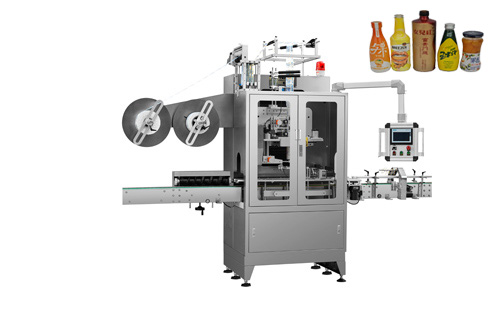
In the modern packaging industry, the visual appeal and functional integrity of a product are paramount. As brands continuously seek innovative ways to capture consumer attention and ensure product safety, sleeve labeling systems have emerged as a cornerstone technology. These comprehensive packaging solutions utilize heat-sensitive or elastic films to deliver a seamless, 360-degree decorative and protective layer. Understanding the mechanics, materials, and strategic advantages of these systems is essential for manufacturers navigating today's competitive retail landscape.
The Mechanics of Seamless Application Unlike traditional pressure-sensitive labels that rely on adhesives, sleeve labeling systems utilize either thermal energy or mechanical tension to conform to a container. Shrink sleeve systems rely on heat tunnels to activate the memory of the film, causing it to shrink tightly around the product. Conversely, stretch sleeve systems utilize the natural elasticity of the film to mechanically stretch and fit over the container without the need for heat. This adhesive-free application not only streamlines the production process but also ensures that the label remains perfectly aligned, even on containers exposed to moisture or extreme temperatures.
Unmatched Design Versatility and Shelf Appeal One of the most significant advantages of sleeve labeling systems is their ability to adapt to any container geometry. Whether dealing with standard cylindrical bottles, tapered necks, or highly contoured and irregular shapes, these systems provide a flawless fit. This versatility unlocks a continuous 360-degree canvas for brand storytelling. Utilizing advanced high-definition flexographic and digital printing technologies, brands can apply vibrant, photorealistic graphics and intricate designs that completely envelop the product, significantly enhancing shelf presence and consumer engagement.
Advanced Material Innovations and Sustainability The sleeve labeling market is currently undergoing a massive transformation driven by global sustainability mandates and environmental awareness. Historically dominated by PVC (Polyvinyl Chloride), the industry is rapidly transitioning toward eco-friendly alternatives. Modern systems are increasingly utilizing PET-G, OPS, and PLA (polylactic acid) films, which offer superior recyclability and lower environmental impact. Furthermore, innovations such as washable inks and perforated tear bands are being integrated into sleeve designs, allowing consumers to easily separate the label from the primary packaging to facilitate the circular recycling economy.
Functional Security and Regulatory Compliance Beyond aesthetics, sleeve labeling systems serve a critical functional role in product safety and regulatory compliance. They are widely deployed as tamper-evident seals, providing consumers with immediate visual assurance of a product's integrity. This is especially vital in the pharmaceutical, food, and personal care sectors. Additionally, the expansive surface area of a full-body sleeve provides ample space for mandatory regulatory information, multilingual instructions, and smart packaging features like QR codes or NFC tags. This integration of security and digital interactivity ensures that the packaging not only protects the product but also serves as a direct communication channel with the end consumer.