5 Key Factors When Buying a Sleeve Applicator for Bottles
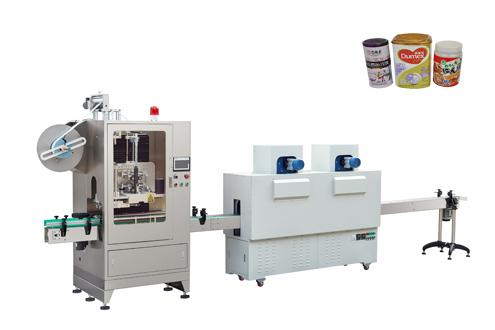
Investing in a sleeve applicator for bottles is a significant capital expenditure that directly influences packaging line efficiency, product aesthetics, and long-term operational costs. With a wide array of machinery available on the market, procurement teams must look beyond basic specifications. To ensure a seamless integration and optimal return on investment, buyers should carefully evaluate the following five critical factors.
Container Versatility and Changeover Efficiency
Modern packaging lines frequently handle diverse product formats, making machine adaptability a top priority. The ideal applicator should seamlessly accommodate various container geometries, including round, square, oval, and uniquely shaped bottles, without requiring extensive mechanical overhauls. Equally important is the changeover process. Equipment featuring tool-less adjustments and quick-release mandrels can drastically reduce downtime when switching between product lines, thereby maximizing overall throughput and operational flexibility.
Precision in Label Placement and Seam Alignment
The visual appeal of a shrink sleeve relies heavily on the accuracy of its application. Buyers must assess the machine's ability to maintain precise registration and consistent seam positioning, even at high production speeds. Advanced applicators equipped with servo-driven cutting mechanisms and optical registration sensors ensure that labels are applied with millimeter-level accuracy. This precision prevents aesthetic defects such as twisted seams or misaligned graphics, which can negatively impact brand perception on retail shelves.
Compatibility with Shrink Tunnel Technology
A sleeve applicator does not operate in isolation; its performance is intrinsically linked to the subsequent shrinking process. When selecting an applicator, buyers must consider its compatibility with various shrink tunnel technologies, such as steam, electric, or hybrid systems. The machine must apply the sleeve with the correct tension and orientation to ensure a smooth, wrinkle-free finish during the shrinking phase. Evaluating the applicator's performance across different sleeve materials, including PVC, PET, and OPS, is also essential for maintaining consistent quality.
Intelligent Controls and Operational Simplicity
As manufacturing environments become increasingly automated, the intelligence of the control system plays a pivotal role in daily operations. Programmable logic controllers (PLCs) paired with intuitive, color touch-screen interfaces significantly reduce the learning curve for operators. Advanced machines offer recipe storage capabilities, allowing for instant recall of settings for different products. Furthermore, integrated diagnostic tools and real-time monitoring features help operators quickly identify and resolve minor issues before they escalate into costly production halts.
Total Cost of Ownership and Maintenance Accessibility
A prudent purchasing decision requires looking past the initial acquisition price to evaluate the total cost of ownership. Prospective buyers should thoroughly investigate the durability of critical components, such as cutting blades, drive belts, and heating elements. Machines designed with modular components and easy-access panels facilitate routine maintenance and reduce labor hours. Additionally, verifying the availability of technical support, spare parts, and comprehensive operator training ensures long-term operational stability and protects the capital investment over the equipment's lifecycle.
 ∷
∷