How to Choose the Right Shrink Sleeve Label Applicator Machine?
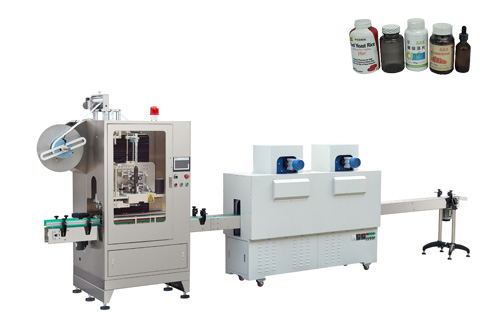
Selecting the ideal shrink sleeve label applicator machine is a strategic decision that directly impacts production efficiency, product aesthetics, and long-term profitability. With the packaging industry continuously evolving, businesses must look beyond basic specifications and evaluate equipment based on a holistic set of operational and financial criteria. A systematic approach to this selection process ensures that the chosen machinery aligns perfectly with current production demands and future growth trajectories.
Assessing Operational Flexibility and Container Compatibility
Modern packaging lines frequently handle diverse product formats, making machine adaptability a top priority. The right applicator should seamlessly accommodate various container geometries, including round, square, and uniquely shaped bottles, without requiring extensive mechanical overhauls. Furthermore, evaluating the machine's compatibility with different shrink sleeve materials such as PVC, PET, or OPS is essential. A versatile system that allows for quick changeovers and precise adjustments minimizes downtime when switching between product lines, thereby maximizing overall throughput.
Evaluating Intelligent Control and Precision
As manufacturing environments become increasingly automated, the intelligence of the control system plays a pivotal role in selection. Advanced applicators equipped with programmable logic controllers (PLCs) and intuitive touch-screen interfaces significantly reduce the learning curve for operators. More importantly, integrating vision inspection systems and servo-driven mechanisms ensures that labels are applied with millimeter-level precision. These smart features not only guarantee consistent, high-quality branding but also enable real-time monitoring and automated rejection of defective units, maintaining strict quality standards.
Analyzing Total Cost of Ownership and Maintenance
A prudent purchasing decision requires looking past the initial acquisition price to evaluate the total cost of ownership. Prospective buyers should thoroughly investigate the durability of critical components, such as heating elements and conveyor systems, and understand the frequency and cost of replacing consumable parts. Machines designed for easy disassembly and routine cleaning reduce maintenance labor and prevent unexpected production halts. Additionally, verifying the availability of technical support, spare parts, and comprehensive training programs ensures long-term operational stability and protects the capital investment.
Aligning Equipment with Production Volume and Future Trends
The scale of production dictates the appropriate level of automation. While semi-automatic machines may suffice for low-volume or niche markets, high-speed automatic applicators are necessary for mass production to meet stringent output targets. Furthermore, forward-thinking manufacturers should consider equipment that supports emerging industry trends, such as the use of eco-friendly, bio-based shrink films or modular designs that can be upgraded as technology advances. Choosing a scalable solution ensures that the packaging infrastructure remains competitive and compliant with evolving market and regulatory demands.
 ∷
∷