Key Considerations Beyond Shrink Label Machine Price
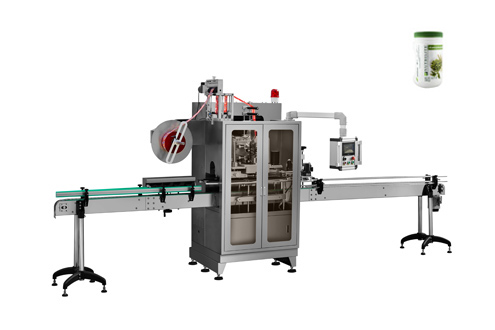
When evaluating packaging equipment investments, many buyers initially focus on machine price. While budget considerations are important, experienced manufacturers increasingly recognize that the true value of a shrink label machine extends far beyond its purchase cost. Factors such as production efficiency, operational reliability, maintenance requirements, and long-term scalability often have a greater impact on overall business performance.
As packaging operations become more competitive and customer expectations continue to rise, companies are taking a broader approach when selecting shrink labeling solutions.
Production Stability Matters More Than Initial Cost
A packaging line is only as productive as its most critical equipment. Frequent stoppages, inconsistent label application, or unexpected downtime can significantly affect production schedules and delivery commitments.
Many manufacturers now prioritize machine stability and operational consistency when evaluating packaging equipment. A reliable shrink label machine can help maintain uninterrupted production while supporting higher throughput over time.
From a long-term perspective, stable production often delivers greater value than focusing solely on initial acquisition costs.
Adaptability Supports Business Growth
Consumer markets continue to evolve, with brands introducing new products, packaging formats, and promotional designs more frequently than in the past.
Packaging equipment that can accommodate various bottle shapes, container sizes, and sleeve label formats provides greater operational flexibility. Businesses that invest in adaptable systems are often better positioned to respond to changing market demands without requiring major equipment modifications.
This flexibility becomes increasingly valuable as product portfolios expand.
Operational Efficiency Influences Total Ownership Costs
The total cost of operating a packaging machine extends beyond its purchase price. Energy consumption, material utilization, labor efficiency, and maintenance requirements all contribute to long-term operating expenses.
Modern shrink label machines are increasingly designed to optimize production workflows and improve resource utilization. Features that reduce setup time, simplify operation, and improve process consistency can help businesses achieve greater productivity throughout the equipment lifecycle.
As a result, operational efficiency has become a major consideration for packaging professionals.
Product Quality Directly Impacts Brand Perception
Packaging serves as one of the most visible representations of a brand. Uneven shrink results, distorted graphics, or improperly applied labels can negatively influence consumer perception.
Advanced shrink labeling technologies help ensure consistent label appearance across different production batches. Accurate sleeve positioning and uniform shrinking contribute to a professional product presentation that strengthens brand identity.
For many manufacturers, packaging quality is viewed as a strategic business asset rather than a simple production requirement.
Integration with Modern Production Systems
Today's manufacturing facilities increasingly rely on interconnected production environments. Packaging equipment is expected to work seamlessly with conveyors, filling systems, inspection devices, and production management software.
Shrink label machines capable of supporting automated workflows can improve operational visibility and simplify production management. Enhanced integration also helps reduce bottlenecks and improve overall line efficiency.
As digital manufacturing continues to expand, compatibility with automated systems is becoming an important purchasing consideration.
Serviceability and Maintenance Planning
Equipment maintenance plays a crucial role in sustaining long-term productivity. Machines designed for easy access, simplified maintenance procedures, and efficient component replacement can help minimize downtime during routine servicing.
Predictable maintenance schedules also support better production planning and reduce the risk of unexpected interruptions.
Businesses are increasingly evaluating serviceability as part of their equipment selection strategy rather than treating it as an afterthought.
 ∷
∷