Shrink Sleeve Labeling Machine Manufacturer: Advancing Packaging Automation
As packaging industries continue to develop, manufacturers are looking for more efficient ways to improve product presentation and streamline labeling operations. Shrink sleeve labeling technology has become an increasingly popular solution because it provides flexible label coverage, attractive graphics, and compatibility with containers of different shapes. Choosing an experienced shrink sleeve labeling machine manufacturer is therefore an important consideration for businesses investing in modern packaging equipment.
Understanding Shrink Sleeve Labeling Technology
Shrink sleeve labeling uses heat-sensitive plastic film to create labels that fit closely around product containers. Unlike traditional pressure-sensitive labels, shrink sleeves can cover a larger portion of a container's surface, making them suitable for products with curved, tapered, or irregular shapes.
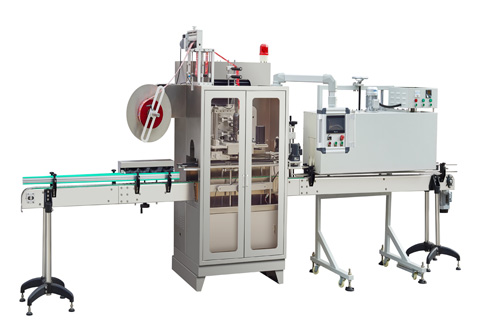
During the labeling process, a sleeve applicator positions the film around the container before it passes through a heating tunnel. Controlled heat causes the film to shrink and conform to the container's shape, creating a tight and visually consistent finish.
This technology is widely used for bottles, jars, cans, and other packaging formats across different industries.
Key Equipment Features to Consider
When evaluating a shrink sleeve labeling machine manufacturer, buyers should pay attention to several important equipment characteristics.
Labeling accuracy: Accurate sleeve positioning helps maintain consistent label placement and improves the overall appearance of finished products.
Production speed: Different manufacturing operations require different output capacities. Selecting suitable equipment speed helps match the machine to actual production demands.
Container flexibility: Adjustable machine configurations can accommodate different container diameters, heights, and shapes, providing greater flexibility for product changes.
Cutting precision: A reliable cutting mechanism helps produce clean sleeve edges and accurate label lengths, reducing material waste.
Control system: User-friendly controls and adjustable operating parameters make it easier for operators to manage production and change between packaging specifications.
Machine stability: A well-designed mechanical structure and reliable transmission system contribute to consistent operation during continuous production.
Applications Across Different Industries
Shrink sleeve labeling machines are widely used in beverage, food, cosmetics, pharmaceutical, and household chemical packaging.
In the beverage industry, sleeve labels provide extensive space for product branding and promotional graphics. Food manufacturers use shrink sleeves to create attractive packaging for bottles and containers, while cosmetic companies benefit from their ability to accommodate distinctive product shapes.
Household and chemical product manufacturers can also use shrink sleeve technology for containers with different dimensions and surface designs.
The versatility of this labeling method makes it suitable for both specialized packaging applications and large-scale manufacturing operations.
How to Choose the Right Shrink Sleeve Labeling Machine Manufacturer
Selecting suitable equipment requires more than comparing production speeds. Buyers should first identify their container specifications, sleeve material, required output, and existing production line configuration.
Several questions should be considered before purchasing:
What container sizes and shapes will the machine handle?
What sleeve materials are required for the packaging application?
Is automatic feeding and positioning necessary?
What production speed is required?
Does the machine need to connect with an existing filling or packaging line?
What electrical and installation requirements should be considered?
For businesses handling multiple product formats, machine flexibility and convenient adjustment are particularly important. Requesting technical specifications and conducting sample tests with actual containers can help confirm equipment suitability.
 ∷