The Rising Demand for Automated Sleeve Applicator Machines
As we move deeper into 2026, the packaging industry is witnessing a significant surge in the adoption of automated sleeve applicator machines. From the beverage and pharmaceutical sectors to daily consumer goods, manufacturers are increasingly turning to advanced sleeving technology to enhance product presentation, ensure tamper evidence, and improve overall packaging efficiency.
Driving Efficiency in Secondary Packaging
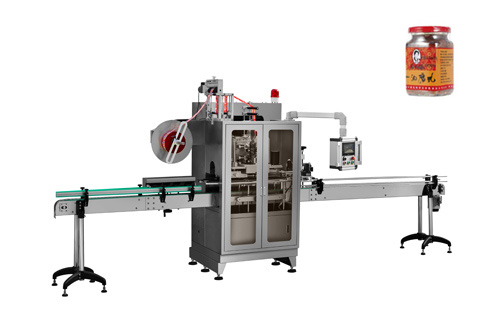
The modern production line demands speed and precision, and the sleeve applicator machine has become a cornerstone in meeting these requirements. Unlike traditional labeling methods, sleeve technology whether it involves heat-shrink films or stretch sleeves offers a 360 degree canvas for branding and essential product information.
Recent advancements in these machines have focused heavily on reducing film waste and increasing changeover speeds. Newer models are now equipped with intelligent digital temperature controllers and adjustable conveyor systems, allowing for seamless transitions between different product sizes and shapes. This flexibility is crucial for manufacturers dealing with short production runs and highly customized packaging needs.
Sustainability and Material Innovation
A major trend reshaping the sleeve applicator market is the push for sustainability. As global regulations on plastic waste tighten, machine manufacturers are adapting their equipment to handle eco friendly materials.
We are seeing a growing compatibility with thinner, recyclable, and even bio based shrink films. Modern sleeve applicators are being engineered to apply these delicate, sustainable films with high precision, ensuring a tight, wrinkle free fit without compromising the structural integrity of the film. This synergy between machine capability and material innovation is helping brands meet their environmental goals without sacrificing shelf appeal.
Strategic Considerations for Buyers
For businesses looking to invest in a sleeve applicator machine, the current market offers a wealth of options. However, making the right choice requires a strategic approach:
Evaluate Total Cost of Ownership: Look beyond the initial purchase price. Consider the machine's energy consumption, film wastage rates, and ease of maintenance.
Prioritize Flexibility: Ensure the machine can handle a variety of container shapes (round, square, or irregular) and is compatible with future sustainable film materials.
Focus on Automation Integration: The best machines seamlessly integrate with existing filling, capping, and case packing lines, creating a truly streamlined production workflow.
 ∷
∷