The Function of Sleeve Applicator
In the complex world of modern packaging lines, the sleeve applicator has graduated from a simple labeling device to a sophisticated piece of engineering. As we navigate 2026, understanding the precise function of a sleeve applicator is no longer just about applying a tag; it is about mastering the mechanics of 360 degree branding, tamper evidence, and high speed automation.
The Core Function: Precision in Motion
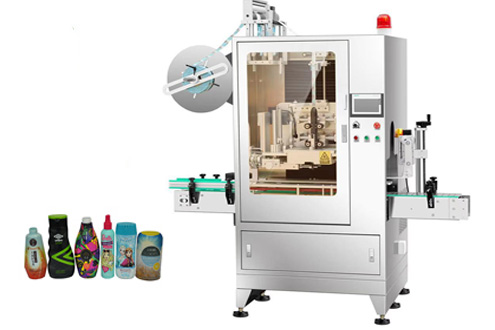
At its most fundamental level, the function of a sleeve applicator is to place a tubular label known as a sleeve onto a container. However, the mechanics behind this action have become incredibly refined. Modern machines utilize a "cut and place" mechanism where a continuous roll of film is fed through a precision cutting head.
The critical moment occurs when the film is cut to a specific length and then mechanically expanded. High speed rubber fingers or vacuum drums stretch the open sleeve and slide it over the container. This entire process happens in milliseconds. The function of the sleeve applicator is defined by its ability to maintain high registration accuracy ensuring the graphic is perfectly aligned even as production lines run at speeds exceeding hundreds of units per minute.
Integration with Shrinking Technologies
A crucial aspect of the function of a sleeve applicator is its symbiotic relationship with shrinking technology. The applicator itself only places the film; the final form is achieved through thermal energy.
Steam vs. Hot Air: While the applicator places the loose film, the subsequent tunnel (using steam or hot air) activates the memory of the film, causing it to contract and conform to the bottle's shape.
Complex Geometries: The primary advantage of this system is the ability to handle complex container geometries such as waisted bottles or oval shapes that traditional glue-based labelers cannot manage. The function of the sleeve applicator is to deliver the film with just enough slack to allow for this shrinkage without wrinkling.
Beyond Labeling: The Multi-Functional Role
In 2026, the function of the sleeve applicator has expanded beyond simple branding. It is now a versatile tool for various packaging needs:
Tamper Evidence: Applying neck bands that break upon opening, ensuring consumer safety.
Promotional Bundling: The "function of sleeve applicator" machinery is increasingly used for multi packing (e.g., bundling four cans together) using shrink film, replacing cardboard trays and reducing plastic waste.
Full Body Sleeves: Acting as the primary packaging material, replacing shrink wrap and offering superior shelf presence.
Optimizing Performance
For operators, maximizing the function of the sleeve applicator requires precise calibration. Key factors include:
Friction Control: Adjusting the feed rollers to prevent film distortion before cutting.
Sensor Sensitivity: Utilizing "eye marks" or color sensors to ensure the cutter triggers at the exact millisecond needed for perfect graphic alignment.
Changeover Efficiency: Modern applicators are designed with modular mandrels that allow the function of the machine to switch between bottle sizes rapidly, minimizing downtime.
 ∷
∷