Round Bottle Shrink Sleeve Labeling Machine for Packaging
Creating More Design Possibilities for Cylindrical Bottles
Traditional labeling methods may leave certain areas of a bottle uncovered or require labels designed around specific container surfaces. Shrink sleeve technology provides a different approach by allowing printed film to conform to the shape of the bottle after heating.
This makes it possible to use larger graphic areas, continuous color patterns, and more detailed visual elements. Manufacturers can develop packaging that covers the entire bottle or focuses on selected sections, depending on their design objectives.
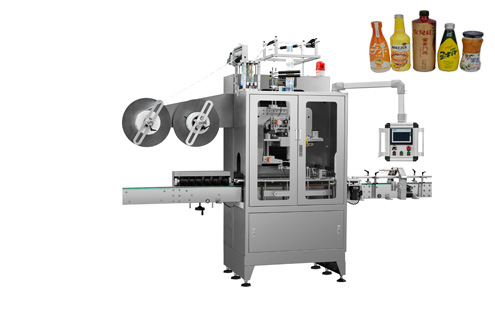
A round bottle shrink sleeve labeling machine supports this process by positioning and applying the sleeve before the container enters the shrinking stage.
Matching Sleeve Dimensions to Bottle Proportions
The relationship between sleeve dimensions and bottle proportions is essential to the final packaging appearance.
A sleeve that is too long may cover areas intended to remain visible, while an unsuitable diameter can affect how the film sits around the container before shrinking. Bottle height, circumference, shoulder structure, and base design should all be considered during packaging development.
Manufacturers can provide bottle samples and sleeve specifications for preliminary testing. This helps determine suitable cutting dimensions and application settings before production begins.
Supporting Seasonal and Promotional Packaging
Product packaging frequently changes to support seasonal campaigns, promotional activities, and limited-edition collections. Shrink sleeve labels allow manufacturers to update printed designs while continuing to use compatible bottle formats.
For example, a beverage producer may introduce special graphics for a summer campaign, while a personal care brand may develop limited packaging designs for a promotional collection.
A suitable labeling system can help manufacturers manage these packaging variations without requiring a completely different production concept for every design.
Maintaining Design Accuracy During Label Application
Printed artwork must be positioned correctly to achieve the intended visual result. Important elements such as logos, product names, illustrations, and decorative patterns should appear in their designated locations.
The labeling process needs to account for sleeve feeding direction, cutting length, and bottle positioning. If these factors are not properly coordinated, printed graphics may appear uneven or incorrectly aligned on the finished container.
Testing the actual printed sleeve material is a useful step when developing new packaging designs, particularly when the artwork includes prominent visual elements.
Considering Different Bottle Surface Features
Although cylindrical bottles have a relatively regular shape, their designs can still vary considerably. Some feature narrow necks, curved shoulders, recessed sections, textured surfaces, or specially shaped bases.
These structural details may influence sleeve placement and the final shrink effect. Manufacturers should evaluate whether the selected film and machine configuration are appropriate for the complete bottle profile.
Sample trials can help identify areas that require additional adjustment and provide a better understanding of the expected finished appearance.
 ∷