Shrink Band Applicator Manufacturing
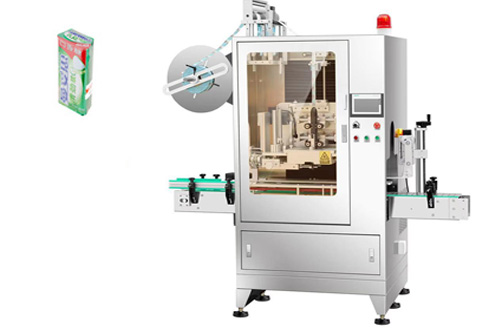
In the highly regulated sectors of food, beverage, and pharmaceutical packaging, product safety and tamper evidence are paramount. The manufacturing of shrink band applicators has evolved into a sophisticated engineering discipline, focusing on delivering machines that guarantee hermetic seals, aesthetic perfection, and high speed operational reliability. Building these specialized systems requires a meticulous blend of precision mechanical design, advanced thermal dynamics, and rigorous quality assurance protocols.
Precision Engineering for Tamper Evident Seals
The core function of a shrink band applicator is to apply a perforated or continuous plastic sleeve over a container's closure and securely bond it to the neck ring. Manufacturers of this equipment must prioritize extreme dimensional accuracy in their mechanical components. Custom machined guide rails, adjustable centering mechanisms, and precise conveyor tracking systems are essential to ensure that the film is applied without wrinkles, tears, or misalignment. Even minor deviations in the manufacturing process can lead to inconsistent sealing, which compromises both the visual appeal of the product and its tamper evident integrity. Consequently, top tier manufacturers utilize computer-aided design (CAD) and tight tolerance machining to construct frames and assemblies that maintain stability under continuous high speed operation.
Advanced Thermal Tunnel Integration
Applying the heat required to shrink the film demands careful thermal management to prevent damage to the underlying cap or label. Equipment manufacturers integrate specialized heating chambers typically utilizing forced hot air or infrared technology into the machine’s architecture. The manufacturing process involves designing insulated tunnel enclosures with precisely calibrated airflow nozzles. This ensures an even distribution of thermal energy around the container’s neck while protecting sensitive areas from excessive heat. Furthermore, modern applicator manufacturing incorporates smart temperature control modules that allow operators to set exact thermal profiles, accommodating various film thicknesses and container geometries without manual guesswork.
Rigorous Testing and Quality Validation
Because shrink band applicators operate at high cadences, their structural integrity and component longevity must be thoroughly validated before leaving the factory floor. Leading manufacturers implement comprehensive testing protocols during the assembly phase. This includes running extended dry cycles to verify mechanical synchronization, conducting live tests with actual containers and films to assess seal quality, and performing electrical safety inspections. By simulating real world production conditions, manufacturers can identify and rectify potential points of failure, ensuring that the delivered equipment offers maximum uptime and consistent performance right out of the box.
Modular Design for Packaging Flexibility
Today’s packaging lines frequently handle multiple SKU sizes, requiring applicators that can adapt quickly. Equipment manufacturers are responding by integrating modular design principles into their build processes. Components such as guide rails, mandrels, and heating tunnels are engineered for rapid tool less changeovers. This focus on modularity not only simplifies the manufacturing assembly process but also provides end users with unparalleled flexibility. By prioritizing adaptable construction techniques, manufacturers deliver versatile machinery capable of supporting diverse product portfolios and future proofing packaging operations against evolving market demands.
 ∷
∷