Choose An Automatic Shrink Sleeve Labeling Machine Factory
In the modern packaging landscape, shrink sleeve labeling has become a pivotal technology for brands seeking 360-degree visual appeal, tamper-evident security, and versatile container coverage. As the global market for shrink sleeve label applicators continues to expand, driven by the rising demand for packaged goods in the food, beverage, pharmaceutical, and cosmetics sectors, selecting the right manufacturing partner is a critical strategic decision. When evaluating an automatic shrink sleeve labeling machine factory, businesses must look beyond basic pricing and focus on technological adaptability, operational efficiency, and long-term support capabilities.
Technological Versatility and Customization Capabilities
A top-tier factory must demonstrate the engineering flexibility to handle diverse production requirements. Modern packaging lines often process a wide variety of container shapes—including round, square, and irregular bottles made from PET, glass, or metal—as well as different label materials such as PVC, PET, and OPS. A reliable manufacturing partner should offer customizable solutions, allowing for adjustments in film feeding mechanisms, cutting precision, and shrink tunnel configurations (whether steam or electric heating). The ability to tailor equipment to specific material thicknesses and shrinkage rates ensures tight, smooth sleeve application and minimizes material waste, directly impacting a brand's bottom line.
Automation Integration and Operational Efficiency
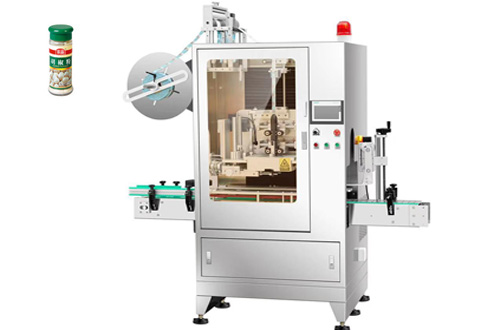
With labor shortages and the push for Industry 4.0 standards reshaping manufacturing, automation is no longer a luxury but a necessity. When choosing a factory, buyers should prioritize those that integrate advanced automation features, such as touchscreen control panels for precise parameter adjustments, high-accuracy electric eye detection for label positioning, and automated bottle separating devices. These innovations significantly reduce manual intervention, lower the risk of human error, and enhance overall throughput. Furthermore, factories that incorporate IoT-enabled monitoring and digital inspection capabilities provide real-time production visibility, allowing for proactive maintenance and reduced downtime.
Sustainability and Material Compatibility
As environmental regulations tighten globally, particularly in Europe and North America, packaging sustainability has become a major driver of equipment selection. Leading factories are increasingly designing machines capable of handling eco-friendly, recyclable, and biodegradable films without compromising performance. A forward-thinking manufacturing partner will stay ahead of regulatory trends, offering equipment that supports thinner films and alternative substrates like polyolefins. This adaptability not only ensures compliance with evolving packaging waste directives but also aligns with consumer preferences for sustainable brand experiences.
Comprehensive After-Sales Support and Partnership Value
The acquisition of an automatic shrink sleeve labeling machine marks the beginning of a long-term operational relationship. Therefore, evaluating a factory’s after-sales infrastructure is paramount. Prospective buyers should assess the supplier’s ability to provide comprehensive installation assistance, operator training, and timely access to spare parts. A factory that offers life-long technical support and demonstrates a commitment to customer success acts as a true strategic partner, helping businesses navigate production challenges and scale efficiently. By prioritizing factories that combine technical excellence with robust support systems, companies can secure a reliable foundation for sustained growth in a competitive marketplace.
 ∷
∷