Sleeve Applicator Machine Drives Smart Packaging Growth
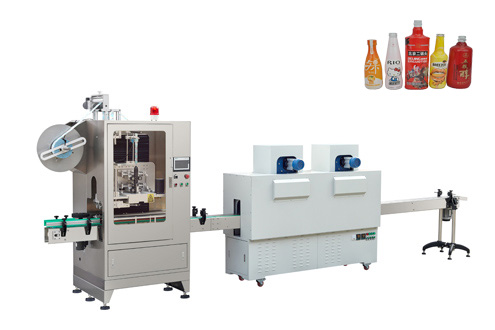
The global push toward smarter, faster, and more sustainable packaging solutions is fueling rapid adoption of sleeve applicator machine across food, beverage, personal care, and pharmaceutical sectors. These systems designed to precisely apply shrink sleeves or tamper-evident bands onto containers are increasingly seen as essential for brand differentiation, regulatory compliance, and production-line efficiency.
Unlike traditional labeling methods, sleeve applicator machines offer full 360-degree coverage, enabling vibrant graphics, QR codes, and anti-counterfeiting features without adhesive limitations. Recent advancements have further enhanced their versatility: modern units now accommodate a broader range of container shapes from oval bottles to irregular jars thanks to adaptive conveyor systems and servo-driven positioning arms.
A key trend in 2026 is the integration of real-time vision inspection and AI-assisted alignment. By combining high-speed cameras with edge computing, these machines can detect misaligned sleeves or defective prints on the fly, automatically adjusting placement or rejecting non-conforming units before downstream processing. This not only reduces waste but also strengthens quality control in high-volume environments.
Energy efficiency is another focal point. Newer models feature regenerative drives and low-heat shrink tunnels that cut power consumption by up to 25% compared to legacy systems aligning with corporate sustainability targets and tightening emissions regulations in key markets like the EU and California.
Moreover, modular designs are simplifying scalability. Manufacturers can start with semi-automatic units for pilot runs and later upgrade to fully integrated lines without replacing core components a flexibility that appeals to both emerging brands and contract packagers managing diverse SKUs.
As e-commerce continues to drive demand for premium unboxing experiences and serialized packaging, the sleeve applicator machine has evolved from a niche tool into a strategic asset. With ongoing innovations in speed (now exceeding 400 containers per minute in some configurations) and material compatibility including recyclable and bio-based films the technology is poised to play an even larger role in the future of smart packaging.
 ∷
∷