How to Evaluate the Right Shrink Sleeve Label Machine for Your Packaging Line
Selecting a shrink sleeve label machine is more than a procurement decision it’s a strategic move that can influence brand perception, operational efficiency, and sustainability performance. With diverse formats, production scales, and material requirements across industries, businesses need a clear framework to assess which system truly aligns with their packaging goals.
One of the first factors to consider is container diversity. If your product portfolio includes bottles or jars with varying diameters, heights, or contours from cylindrical to oval or even asymmetrical shapes you’ll need a machine with adaptable film-cutting precision and flexible application mechanics. Systems featuring servo-controlled film advance and programmable positioning can handle these transitions smoothly without manual recalibration.
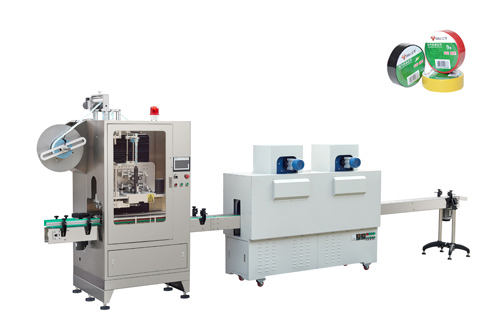
Equally important is compatibility with modern labeling films. As brands shift away from traditional PVC toward recyclable PET, PLA, or other eco-conscious alternatives, not all machines perform equally. Look for models with intelligent shrink tunnels that offer independent temperature and airflow control across multiple zones. This ensures consistent, wrinkle-free results on thinner or heat-sensitive films without risking container deformation.
Integration into existing lines also plays a pivotal role. A well-designed shrink sleeve label machine should communicate effortlessly with upstream cappers, fillers, or vision inspection systems. Features like standardized industrial interfaces (e.g., Ethernet/IP or PROFINET) and modular infeed/outfeed configurations reduce retrofitting complexity and future-proof your line against evolving automation needs.
Don’t underestimate the value of uptime and ease of maintenance. Machines built with quick-access panels, self-diagnostic alerts, and wear-resistant components minimize unplanned stoppages. Some platforms now include digital operator guides or augmented reality-assisted troubleshooting tools that accelerate training and reduce reliance on external service calls.
Lastly, consider the hidden costs beyond the purchase price: energy consumption, film scrap rates, labor requirements, and changeover time. A slightly higher initial investment may yield significant savings if the machine delivers lower waste, faster job switches, and longer intervals between servicing.
In today’s competitive packaging landscape, the right shrink sleeve label machine does more than apply a label it enhances brand storytelling, supports sustainability commitments, and drives operational resilience. By focusing on flexibility, compatibility, intelligence, and serviceability, businesses can choose a solution that grows with their ambitions, not just their output volume.
 ∷
∷