Steam Shrink Tunnel Machine Boosts Eco-Friendly Labeling
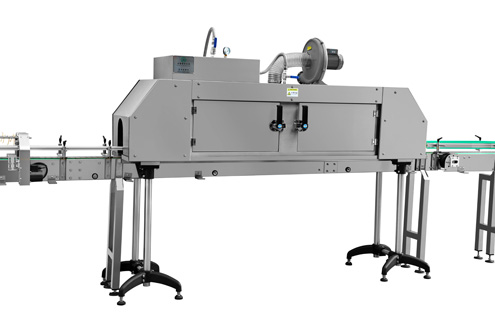
The packaging industry is increasingly turning to steam shrink tunnel machine as a cleaner, more energy-efficient alternative to traditional hot-air systems, especially in applications demanding flawless label adhesion and minimal environmental impact. Unlike conventional methods that rely on electric heating elements, steam-based tunnels use controlled vapor to uniformly shrink sleeves around containers, resulting in smoother finishes and fewer wrinkles or distortions.
One of the key drivers behind this shift is sustainability. Steam shrink tunnels typically consume less energy and produce lower carbon emissions, aligning with corporate net-zero goals and tightening global regulations on industrial energy use. Additionally, the absence of open heating coils reduces fire risk and improves workplace safety, particularly in facilities handling flammable solvents or alcohol-based products.
The technology is especially well-suited for heat-sensitive packaging, such as thin-walled PET bottles or biodegradable containers, which can warp under intense dry heat. Steam provides gentler, more consistent thermal transfer, preserving container integrity while ensuring tight, tamper-evident sleeve application.
Beverage, dairy, and personal care sectors are among the early adopters, leveraging steam shrink systems to achieve premium aesthetics on curved or irregularly shaped bottles. The process also supports compatibility with eco-friendly shrink films, including recyclable mono-materials, that often perform better under moist heat conditions.
Integration into existing production lines has become easier thanks to modular designs and smart controls that auto-adjust steam pressure, dwell time, and temperature based on container size and film type. Real-time monitoring further minimizes film waste and downtime, boosting overall equipment effectiveness (OEE).
As brands prioritize both visual appeal and environmental responsibility, the steam shrink tunnel machine is emerging not just as a labeling tool, but as a strategic asset in the next generation of green packaging infrastructure.
 ∷
∷