Yogurt Cup Sleeve Labeling Machine Drives Dairy Packaging Innovation
For dairy packaging teams, the yogurt cup sleeve labeling machine is no longer just a finishing device. It is becoming part of a broader strategy to improve shelf presence, support shorter production runs, reduce labeling waste, and maintain consistent output across diverse cup sizes, lid formats, and promotional designs.
Dairy Packaging Formats Are Driving New Labeling Expectations
Yogurt packaging has evolved well beyond the traditional single-size cup. Today’s dairy lines may handle small single-serve cups, multi-pack formats, drinkable yogurt bottles, family-size tubs, layered dessert cups, and premium snack-style containers. Each format brings different labeling requirements, from full-body branding to partial wrap decoration, nutritional disclosure, allergen statements, and promotional messaging.
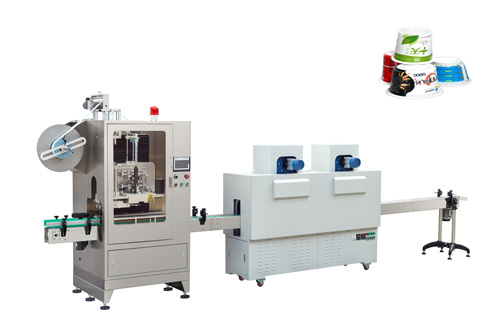
The yogurt cup sleeve labeling machine is gaining relevance because it can apply continuous sleeve labels with consistent positioning across these varied formats. Sleeve labeling allows brands to maintain a uniform visual identity while adapting artwork, language, or regulatory content for different markets and product lines. For manufacturers running multiple SKUs on shared equipment, this flexibility reduces the need for separate labeling systems and helps simplify production planning.
Tapered Cup Geometry Requires More Than Standard Labeling Logic
One of the defining challenges of yogurt cup labeling is the tapered container shape. Most yogurt cups narrow from rim to base, which means the sleeve must accommodate a changing circumference during application and shrinking. This is fundamentally different from labeling a straight-walled bottle or jar.
If sleeve cutting, placement, or heat application is not precisely matched to the cup profile, the result can include loose film near the base, excess tension near the rim, uneven shrinkage, or visible distortion of printed graphics. The yogurt cup sleeve labeling machine must therefore manage sleeve feed, cutting accuracy, positioning, and thermal shrinkage as a coordinated process rather than a series of isolated steps.
 ∷
∷